

Foraged fruit: A Natural Wine making Class
with Janne Larsen
Little Green Art Studio at Forager Crafts | 2915 Knox Ave, #103, Los Angeles, CA 90039
Sunday, August 23
11:00 AM – 1:00 PM
$165.00
or 4 credits for members
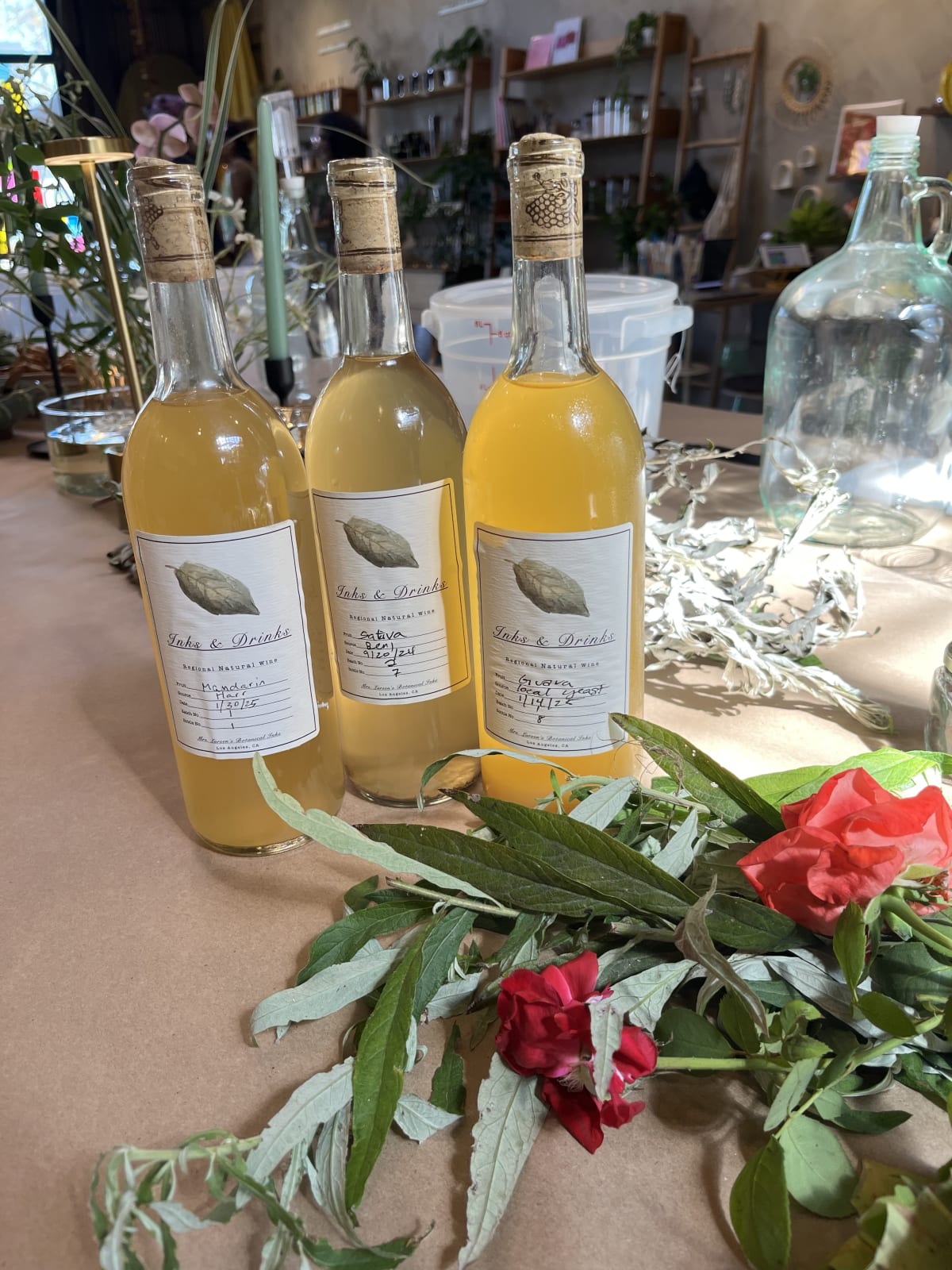
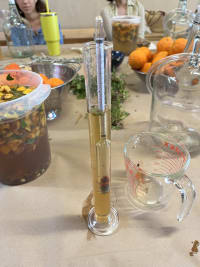
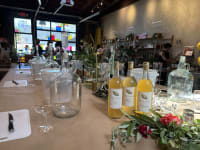
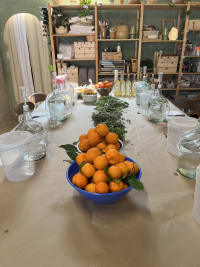
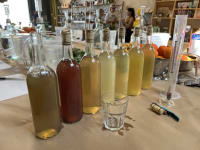
Discover the delicious and unexpected world of making wine from the fruits growing all around us. In this hands-on workshop, we’ll explore the history, folklore, and flavors of locally grown and foraged fruits while learning the basics of small-batch fruit winemaking. We’ll focus on Seville oranges, Illy Pilly and Natal plum, transforming these often-overlooked fruits into unique, naturally fermented wines. Each participant will make their own one-gallon batch of fruit wine to take home, along with everything needed to begin the fermentation process. You’ll learn how to prepare the fruit, balance sugar and acidity, introduce yeast, and care for your wine during its first stages of fermentation. Over the following days, you’ll stir and tend your wine as it transforms from fresh fruit into something entirely new. A one-gallon batch will eventually become approximately five bottles of homemade wine. This is part fermentation class, part botanical exploration, and part edible experiment—a chance to slow down, work with seasonal plants, and discover the wild flavors hiding in our local landscape. You’ll leave with: • A one-gallon fruit wine fermentation kit • Your own batch of wine to ferment at home • Instructions for caring for your wine through fermentation • Knowledge of basic small-batch fruit winemaking • A deeper appreciation for the overlooked fruits growing around us Please note that participants will need to stir their wine daily for 10–14 days following the workshop. The wine will be ready to serve in six months.
Max students: 12
This class is no longer available.
Upcoming classes you might like
// Studio Policies + Cancellations //
- —Please arrive 5-10 minutes early for your workshop. Workshops start on time.
- —If you are more than 15 minutes late for your class, you may forfeit your chance to take the class.
- —You may cancel for a refund up to 15 days before the workshop. After that, workshop fees are not refundable or transferable.
- —We reserve the right to cancel or reschedule a workshop with fewer than 4 sign ups. If you cannot attend the rescheduled date, you will receive a refund.
- —Please note that we may take photos during the workshop to use on social media. If you do not wish to be photographed, please let the teacher know when you arrive.
About the Teacher
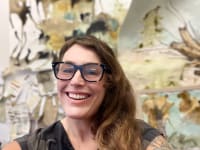
Janne Larsen
Janne Larsen is an artist and maker whose work is deeply rooted in the natural and cultural landscapes of Los Angeles. Blending art, ecology, and community, Janne creates unique, place-based materials that tell stories of the environment and its connection to people. As a regional ink maker, Janne transforms local plants into rich, sustainable pigments, offering a tactile experience of LA's ecosystem through color. This work is an exploration of the relationship between humans and the land, celebrating the history and vibrancy of the area's flora. Janne is also a winemaker, crafting natural wines from fruit gathered in her neighborhood. These wines are an expression of terroir, embodying the flavors and character of LA's diverse urban landscape. The process reflects a commitment to sustainability, creativity, and a sense of place, bringing people together through the shared experience of taste and craft. Janne's art is inspired by her upbringing on a small farm, where she developed a strong work ethic and a deep appreciation for the cycles of nature. Her practice is grounded in fostering connections—between people, plants, and the land we share.